


Learn about Lufenuron – an insect growth regulator that effectively controls larvae, pupae, and eggs of pests. Ideal for managing leaf-eating caterpillars, fruit borers, thrips, and spider mites without harming beneficial insects.
Table of Contents
- What is Lufenuron?
- How Lufenuron Works
- Outstanding Benefits of Lufenuron
- Types of Pests Effectively Controlled by Lufenuron
- Comparison with Other Insecticidal Active Ingredients
- How to Use Lufenuron Correctly and Effectively
- Popular Products Containing Lufenuron
- Important Notes When Using Lufenuron
- Conclusion: Lufenuron – A Safe, Sustainable Solution for Larval and Egg Control
1. What is Lufenuron?
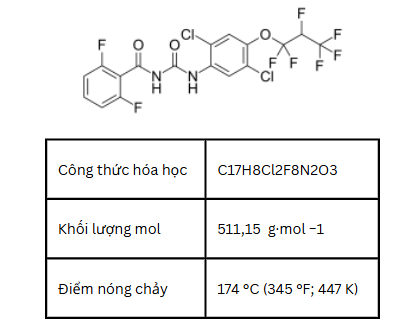
Lufenuron is an insecticidal active ingredient in the benzoylurea group. It inhibits the biosynthesis of chitin, a major component in the exoskeleton of insects. When pests come into contact with or ingest Lufenuron, their molting process is disrupted, and they cannot develop into the next life stage—resulting in a gradual death.
- Chemical group: Insect Growth Regulator (IGR)
- Mode of action: Stomach poison, slight systemic action
- Target: Eggs, larvae, immature stages of insects
- Molecular formula: C₁₇H₈Cl₂F₈N₂O₃
2. How Lufenuron Works
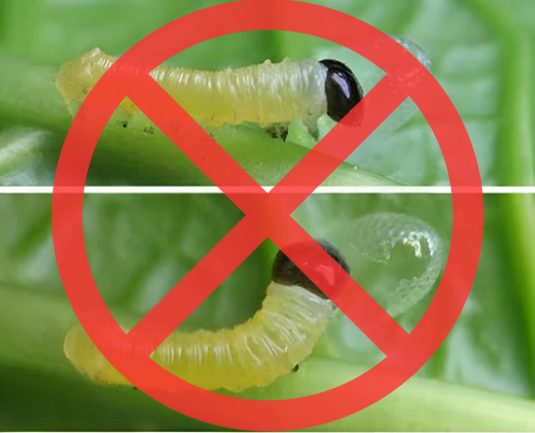
Lufenuron does not immediately kill adult insects. Instead, it inhibits the synthesis of chitin—an essential component of the insect exoskeleton. Specifically:
- ✅ Larvae cannot molt, get trapped in their old exoskeleton, and die
- ✅ Eggs fail to hatch due to damaged egg membranes
- ✅ Provides long-term effects, preventing future pest generations
👉 This makes Lufenuron extremely effective in early-stage larval control and preventing reinfestation from subsequent generations.
3. Outstanding Benefits of Lufenuron

- ✅ Safe for crops and beneficial organisms (bees, spiders, ants, etc.)
- ✅ Effectively controls larvae, eggs, and immature stages
- ✅ Long-lasting residual effect of 7–14 days
- ✅ Resistant to being washed away, ideal for humid conditions
- ✅ Can be combined with contact insecticides to control adult insects
4. Types of Pests Effectively Controlled by Lufenuron
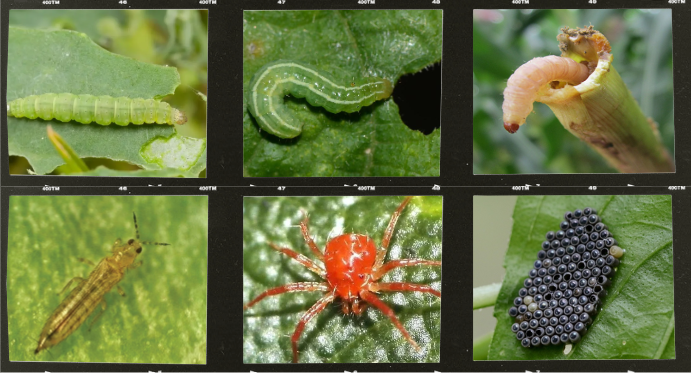
- 🐛 Diamondback moth (Plutella xylostella)
- 🐛 Green caterpillars, leaf-eating larvae (Spodoptera spp., Helicoverpa spp.)
- 🐛 Fruit borers, stem borers
- 🐛 Thrips, spider mites – when used in combination with contact products
- 🐛 Insect eggs – prevents hatching
💡 Suitable for crops like: leafy vegetables, tomatoes, peppers, beans, cabbage, cotton, fruit trees, tea, and ornamentals.
5. Comparison of Lufenuron with Other Active Ingredients
|
Criteria |
Lufenuron |
Abamectin |
Emamectin Benzoate |
Lambda-cyhalothrin |
|
Group |
IGR – Growth regulator |
Avermectin |
Avermectin |
Pyrethroid |
|
Action |
Stomach poison + slight systemic |
Contact + stomach |
Strong systemic |
Contact |
|
Target stage |
Eggs, larvae |
Adult insects |
Larvae + adult |
Adult insects |
|
Safety to beneficial insects |
✅ High |
❌ Moderate |
❌ Moderate |
❌ Low |
|
Residue in plant tissue |
Medium |
Low |
Medium |
Low |
👉 Lufenuron does not fully replace fast-acting contact insecticides but serves as a key component in IPM programs and resistance rotation plans.
6. How to Use Lufenuron Correctly and Effectively

🔹 Recommended Dosage
- 5–10 ml or 2–5 g per 16 liters of water depending on the formulation
- Spray evenly when larvae or insect eggs are first detected on the leaves
- Combine with contact insecticides if adults are present
🔹 Best Time to Apply
- Early morning or late afternoon
- Apply early to interrupt the pest life cycle at the egg or larval stage
- Reapply after 7–10 days if needed
7. Important Notes When Using Lufenuron
- Do not apply too late when insects are already in the adult stage
- Avoid mixing with strong alkaline products
- Rotate with other insecticides to prevent resistance development
- Do not overuse across consecutive crop cycles
- Use the recommended dose – increasing the dose will not speed up effects
8. Conclusion
Lufenuron is a specialized insecticide that does not deliver an instant knockdown but eliminates pests from the root by inhibiting their growth and development. It’s especially effective at controlling eggs and larvae and serves as an ideal option for integrated pest management (IPM) and safe pesticide rotation strategies, especially for those aiming for sustainable production and food safety.


Leave a comment