

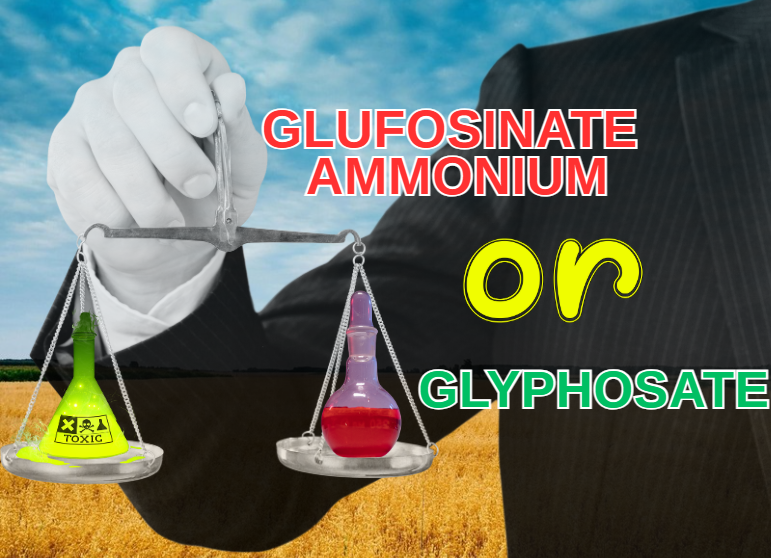
A detailed comparison between Glufosinate Ammonium and Glyphosate – two popular herbicides – to help farmers choose the right solution based on their target weeds, crops, and goals.
Table of Contents
- Overview of Glufosinate Ammonium and Glyphosate
- Comparison of Modes of Action
- Weed Control Speed and Spectrum
- Safety for Crops and the Environment
- Resistance Issues and Rotation Potential
- When to Use Glufosinate and When to Use Glyphosate
- Conclusion
1. Overview of Glufosinate Ammonium and Glyphosate

|
Criteria |
Glufosinate Ammonium |
Glyphosate |
|
Herbicide Type |
Non-selective |
Non-selective |
|
Action Type |
Contact |
Systemic (absorbed and translocated) |
|
Key Feature |
Quick burn-down, spares roots |
Kills from roots up |
|
Common Applications |
Fruit orchards, vegetables |
Perennial weeds, tough grasses |
2. Comparison of Modes of Action
🔬 Glufosinate Ammonium:
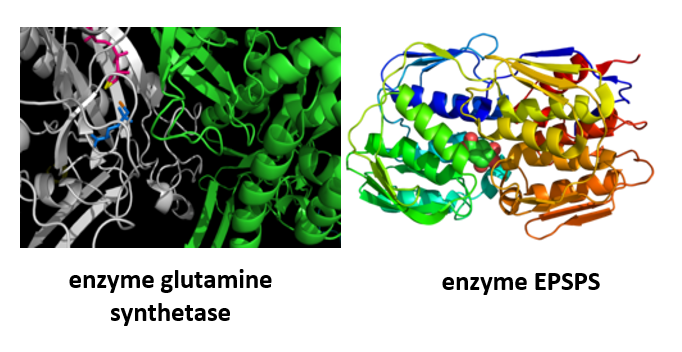
- Inhibits the enzyme glutamine synthetase, leading to ammonia accumulation → cell tissue damage → fast weed death.
- Acts only at the contact site; does not move to the roots.
🔬 Glyphosate:
- Inhibits the enzyme EPSPS, preventing the production of essential amino acids → gradual weed death.
- Systemically translocated; kills the entire plant, including roots, within 5–10 days.
3. Weed Control Speed and Spectrum
|
Criteria |
Glufosinate Ammonium |
Glyphosate |
|
Speed of Action |
Fast (visible within 1–3 days) |
Slower (5–10 days) |
|
Effectiveness on Young Weeds |
✅ High |
✅ High |
|
Effectiveness on Mature/ Woody Weeds |
⚠️ Limited |
✅ Strong (due to root kill) |
|
Weed Spectrum |
Broadleaf & narrow-leaf weeds |
Broadleaf, grasses, sedges |
4. Safety for Crops and the Environment
- Glufosinate Ammonium:
✅ Minimal impact on crop roots when sprayed near base
✅ Suitable for fruit orchards and vegetable gardens
✅ Does not cause leaf yellowing on crops - Glyphosate:
⚠️ Can damage or kill crops if sprayed on stems or young leaves
⚠️ Extra caution needed around sensitive plants
5. Resistance Issues and Rotation Potential
- Glyphosate resistance is common after prolonged solo use.
- Glufosinate shows fewer resistance cases, making it a good alternative in rotation.
📌 Recommendation: Alternate between Glufosinate and Glyphosate, or combine with pre-emergent herbicides for long-term weed management and resistance prevention.
6. When to Use Glufosinate – When to Use Glyphosate?

|
Use Case |
Recommended Product |
|
Low-canopy fruit orchards |
✅ Glufosinate Ammonium |
|
Newly sprouted, tender weeds |
✅ Glufosinate Ammonium |
|
Mature, woody weeds with deep roots |
✅ Glyphosate |
|
Need long-lasting, complete weed control |
✅ Glyphosate |
|
Vegetable crops requiring low residue |
✅ Glufosinate (safer option) |
|
Tank mixing with other herbicides |
✅ Both options depending on label |
7. Conclusion
Both Glufosinate Ammonium and Glyphosate are powerful herbicides but differ significantly in speed, mode of action, and crop safety.
👉 Use Glufosinate Ammonium if you need fast action and want to avoid harming crop roots – ideal for orchards and vegetables.
👉 Choose Glyphosate when you need to eliminate stubborn weeds from the root – best for large-scale or perennial weed infestations.
💡 Final Tip: Smart rotation and combination of these two actives are key to long-term weed control without fostering resistance.


Leave a comment