


Discover the key advantages of Glufosinate Ammonium – a modern, non-selective herbicide that works fast, doesn’t harm roots, and is safer than Glyphosate, especially for fruit orchards and vegetable gardens.
Table of Contents
- What Is Glufosinate Ammonium?
- Comparison with Older Herbicides (Glyphosate, Paraquat)
- Key Advantage: Does Not Kill Crop Roots
- Real Benefits in Fruit Orchards
- When to Prioritize Glufosinate Use
- Conclusion
1. What Is Glufosinate Ammonium?
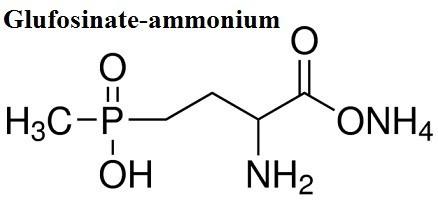
Glufosinate Ammonium is a non-selective, contact herbicide – it kills only the parts of the weed that are directly sprayed and does not move into roots like Glyphosate. It is widely used in:
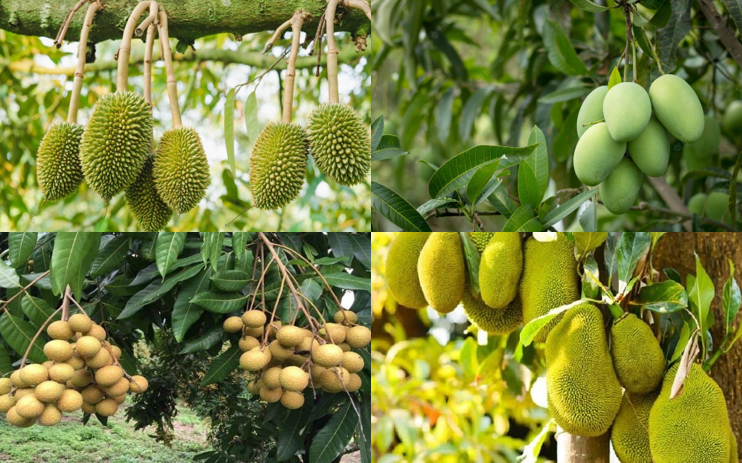
- Fruit orchards (durian, jackfruit, mango, citrus, pomelo...)
- Industrial crops (coffee, rubber...)
- Areas requiring weed control near plant bases without damaging roots
2. Comparison with Older Herbicides
|
Criteria |
Glufosinate Ammonium |
Glyphosate |
Paraquat (banned) |
|
Mode of Action |
Contact – burns sprayed parts |
Systemic – kills roots |
Strong contact – cell toxicant |
|
Root Kill |
❌ No |
✅ Yes |
❌ No (but severe leaf burn) |
|
Crop Safety |
⚠️ If sprayed on young leaves |
✅ Risk of root/crop damage |
⚠️ Highly phytotoxic |
|
Speed of Action |
1–3 days |
5–10 days |
1 day |
|
Environmental Safety |
✅ Good |
⚠️ Moderate |
❌ Dangerous – banned |
3. Key Advantage: Does Not Kill Crop Roots
🔹 Glufosinate is not systemic, so when sprayed near crop bases, it does not penetrate and damage roots like Glyphosate.
🔹 This helps protect healthy root systems and avoids symptoms like wilting, growth reduction, or tree stress after spraying.
👉 This is especially important for sensitive crops like durian, mango, longan, jackfruit, and others.
4. Real Benefits of Using Glufosinate in Orchards
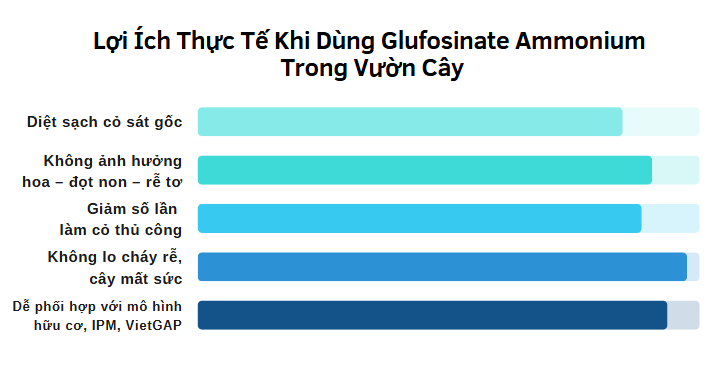
✅ Effectively kills weeds near the base without harming the crop
✅ Does not affect flowers, young shoots, or fine feeder roots when applied correctly
✅ Reduces the need for manual weeding → lowers labor costs
✅ No risk of root burn or tree decline (unlike Glyphosate)
✅ Compatible with organic farming, IPM, and VietGAP practices
5. When to Prioritize Glufosinate Use
|
Situation |
Glufosinate Use Recommended |
|
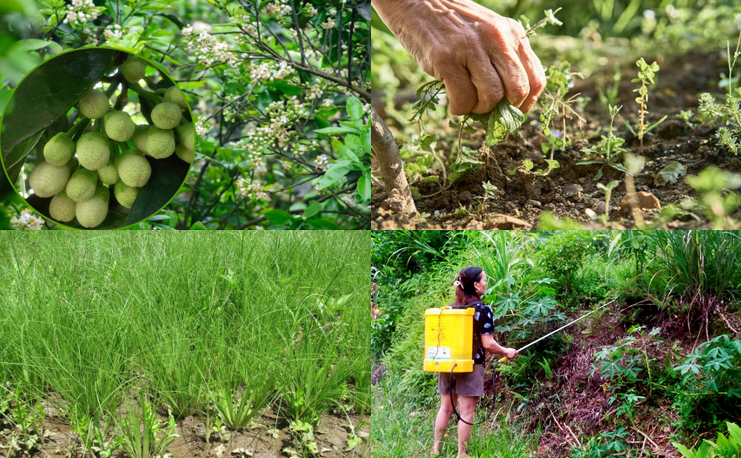
Orchards during flowering or new flush |
✅ Yes |
|
Need to clean weeds close to crop base |
✅ Yes |
|
Frequent base spraying required |
✅ Yes |
|
Areas with broadleaf or soft weeds |
✅ Very effective |
|
Overgrown or woody, deep-rooted weeds |
⚠️ May need reapplication |
6. Conclusion
Glufosinate Ammonium is a safer and more precise option than Glyphosate for long-term orchard management, thanks to its non-systemic action and ability to spare plant roots.
👉 If you're looking for a fast, effective, and low-risk herbicide, especially during periods of sensitive growth like flushing or flowering, Glufosinate is the “golden solution” for your farm.


Leave a comment