

![[Q&A] Do You Need to Add a Surfactant When Spraying Glufosinate Ammonium?](/media/banners/screenshot-20250520-141819.png)
Farmers often ask: Is a surfactant necessary when spraying Glufosinate Ammonium? This article explains the benefits, when to use it, how much to add, and important safety tips to maximize herbicide performance.
Table of Contents
- What Is a Surfactant?
- Do You Need to Add a Surfactant to Glufosinate?
- When Should You Use a Surfactant?
- How Much Surfactant to Add?
- Important Tips When Using Surfactants
- Conclusion
1. What Is a Surfactant?
.jpg)
A surfactant (or spray adjuvant) is an additive mixed with crop protection products to:
- Improve adhesion of herbicide to weed leaves
- Help retain the solution longer on surfaces – minimizing wash-off
- Enhance even coverage and penetration, especially on waxy, slick, or narrow leaves
2. Do You Need to Add a Surfactant to Glufosinate?

The answer is: Yes – in certain cases.
Glufosinate Ammonium is a contact herbicide, meaning it only works on the parts of the weed that are directly sprayed.
👉 If the herbicide doesn’t stick well — especially on narrow-leaf, waxy, or slippery weeds, or in humid conditions — the effectiveness can drop significantly.
👉 Adding a surfactant improves sticking and retention, allowing the herbicide to remain in contact long enough to take full effect.
3. When Should You Use a Surfactant?
|
Scenario |
Should You Add a Surfactant? |
|
🌿 Narrow-leaf, waxy, or slippery weeds |
✅ Strongly recommended |
|
🌧 Spraying in humid or dewy weather |
✅ Recommended |
|
💦 Areas with strong overhead irrigation |
✅ Recommended |
|
☀️ Dry weather, broadleaf young weeds |
❌ Usually not necessary |
|
🚜 Using low-pressure sprayers |
✅ Helps improve coverage |
4. How Much Surfactant to Add?
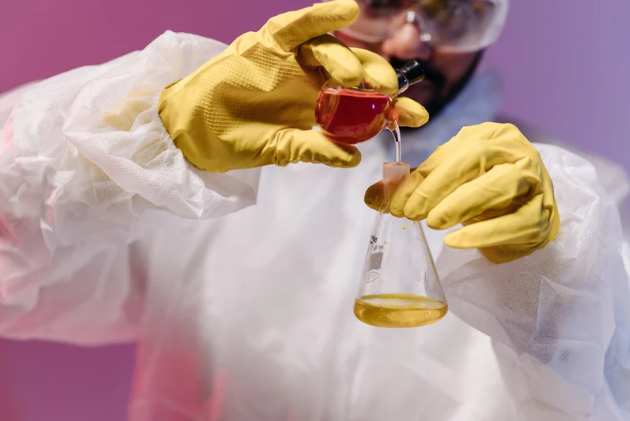
- Typical rate: 2–5 ml of surfactant per 16 liters of water
- Adjust based on product label instructions
📌 Caution: Overuse can cause minor leaf burn if the solution sticks too aggressively to crop foliage.
5. Important Tips When Using Surfactants

✅ Use surfactants specifically made for herbicides – avoid unverified foaming agents or mineral oils
✅ Always add surfactant last – after herbicide is fully mixed
✅ Stir the tank thoroughly to ensure even mixing
❌ Do not use surfactant when crop seedlings have soft, low-hanging new leaves
❌ Avoid spraying if rain is expected soon – even with surfactant, allow 4–6 hours drying time
6. Conclusion
Adding a surfactant when spraying Glufosinate Ammonium can significantly improve herbicide performance – especially for waxy-leaf weeds, narrow grasses, or in humid environments.
👉 However, it’s not always required. Farmers should evaluate their specific conditions to decide whether or not to include a surfactant.


Leave a comment