


Learn how to distinguish bacterial infections from fungal diseases, identify early symptoms like water-soaked lesions, foul odor, or cankers, and apply Kasugamycin at the right time for effective treatment and cost savings.
1. Why Early Detection of Bacterial Diseases Matters

Bacterial diseases can spread rapidly and are difficult to reverse if not treated early. Spraying antibiotics like Kasugamycin at the right time helps:
✅ Stop disease from spreading across the field
✅ Maximize treatment effectiveness while using less product
✅ Protect new leaves, flowers, and fruits from infection
✅ Preserve yield and maintain product quality
2. Common Symptoms of Bacterial Diseases in Crops
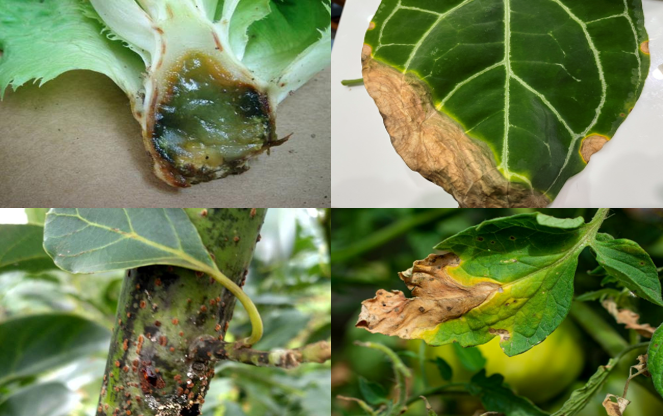
Below are key signs that indicate bacterial infections – helping farmers distinguish them from fungal or insect-related issues:
|
Symptom |
Likely Bacterial Cause |
|
🔸 Water-soaked lesions |
Transparent or dark spots, often vein-bound |
|
🔸 Burnt edges with yellow halos |
Seen in bacterial blight, margin burn, leaf spot |
|
🔸 Foul smell |
Typical of soft rot (e.g., in brassicas, melons) |
|
🔸 Cankers or raised lesions |
Hard, corky spots on fruit, leaves (citrus, mango) |
|
🔸 Oozing or sticky exudate |
Bacteria-induced sap discharge from lesions |
|
🔸 Fast spread after rain |
Bacteria spread easily through water and insects |
3. Common Bacterial Diseases That Require Early Treatment
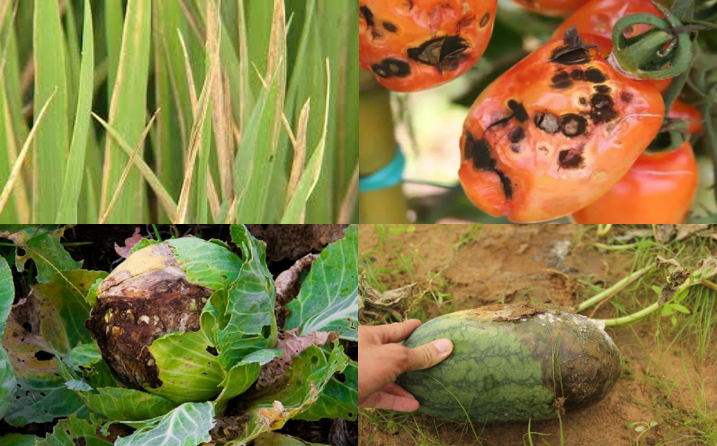
|
Crop Type |
Disease Name |
|
🌾 Rice |
Bacterial blight, leaf margin burn, panicle blight |
|
🍅 Tomato, Chili |
Bacterial spot, soft rot |
|
🥬 Cabbage, Napa |
Bacterial soft rot |
|
🍊 Citrus fruits |
Citrus canker |
|
🍈 Melon, Cucumber |
Stem rot, bacterial ooze |
4. When to Spray Kasugamycin for Best Results

👉 Golden time for spraying: At the first sign of symptoms:
- When spotting small lesions (water-soaked spots, edge burns, tiny cankers)
- After continuous rain or high humidity
- During sensitive growth stages (panicle initiation, flowering, fruit set)
- When neighboring fields show infection – consider preventative spraying
⚠️ Avoid waiting until the disease spreads widely, as this leads to:
- Reduced treatment effectiveness
- Increased spraying frequency and cost
- Irreversible leaf or fruit damage
5. Proper Technique for Spraying Kasugamycin
- Dosage: As recommended on the label (usually 10–25g per 16L water)
- Spray both sides of the leaves, especially where symptoms are visible
- Do not mix with highly alkaline products (e.g., lime, sulfur)
- Rotate with copper-based products, nano silver, or biologicals to avoid resistance
- Spray in early morning or late afternoon, avoid peak sun hours
6. Conclusion
Correctly identifying bacterial diseases and spraying Kasugamycin at the right time are key to effective control, limiting spread, and protecting yields while minimizing costs.
👉 Act early – don’t wait for severe symptoms. Monitor your fields regularly and treat at the first signs to stay ahead of bacterial outbreaks!


Leave a comment