

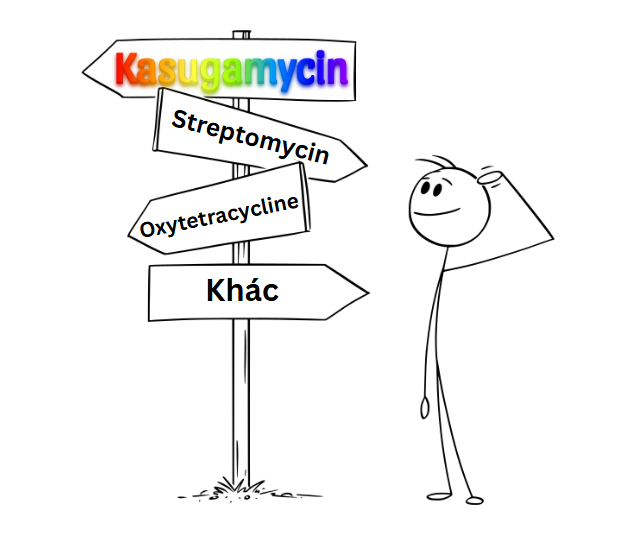
Kasugamycin, Streptomycin, and Oxytetracycline are commonly used antibiotics for bacterial plant diseases. This guide compares their strengths, weaknesses, spectrum of activity, and resistance risk to help farmers choose the right product.
1. Overview of Common Antibiotics for Plant Bacteria
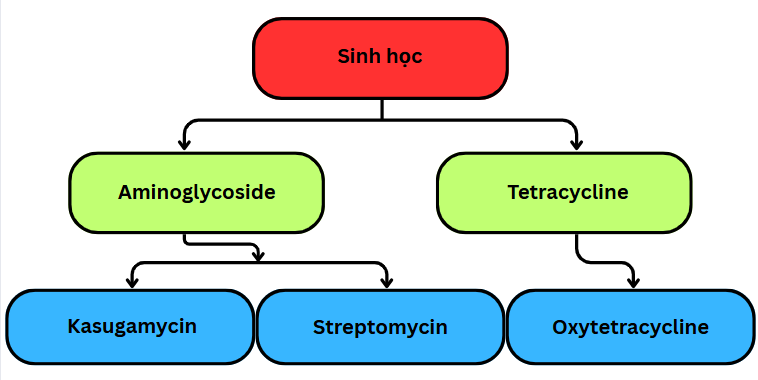
In agricultural disease control, three main bio-antibiotic active ingredients are widely used to treat bacterial infections:
|
Active Ingredient |
Group |
Origin |
|
Kasugamycin |
Aminoglycoside |
Biological (Streptomyces kasugaensis) |
|
Streptomycin |
Aminoglycoside |
Biological (Streptomyces griseus) |
|
Oxytetracycline |
Tetracycline |
Biological (Streptomyces rimosus) |
All three are microbial-based antibiotics that inhibit bacterial activity, but they differ in mode of action, coverage, and safety.
2. Comparison Table: Kasugamycin vs Streptomycin vs Oxytetracycline
|
Criteria |
Kasugamycin |
Streptomycin |
Oxytetracycline |
|
Mode of action |
Inhibits protein synthesis (30S) |
Inhibits protein synthesis (30S) |
Inhibits protein synthesis (50S) |
|
Target spectrum |
Gram-negative & Gram-positive bacteria |
Mostly Gram-negative |
Both Gram-negative & positive |
|
Efficacy |
✅ Very strong |
✅ Good |
⚠️ Moderate |
|
Resistance risk |
✅ Low with rotation |
❌ High if overused |
❌ High if overused |
|
Formulations |
SP, SL |
SP, SL |
WP, SL |
|
Crop safety |
✅ High |
✅ Moderate |
⚠️ Risk of leaf burn |
|
Suitable for fruits/vegetables |
✅ Very suitable |
✅ Acceptable |
⚠️ Use with caution |
|
Fits clean/GAP production |
✅ Easy to qualify |
❌ Limited if overused |
❌ Longer residue period |
3. Pros and Cons of Each Antibiotic
🌱 Kasugamycin
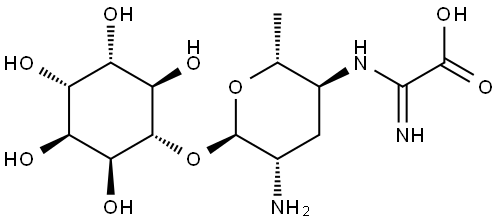
Pros:
- Low resistance risk
- Excellent for both prevention and treatment
- Ideal for clean and sustainable agriculture
Cons:
- Higher cost
- Works best when sprayed early – less effective on severe infections
🌾 Streptomycin
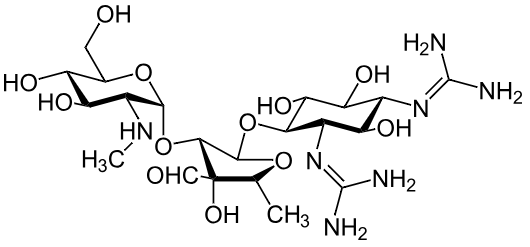
Pros:
- Fast-acting on common bacterial diseases (e.g., bacterial blight)
- Affordable and widely available
Cons:
- High resistance potential if overused
- Use restricted in some countries due to residue concerns
🍅 Oxytetracycline
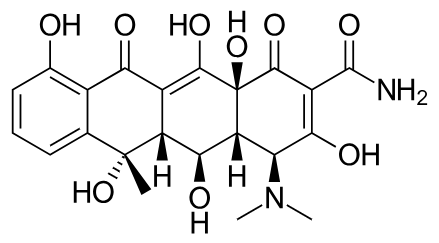
Pros:
- Works well when combined with copper fungicides
- Useful for some soft rot and leaf burn issues
Cons:
- May cause leaf burn at high concentrations
- Not suitable for GAP/organic farming due to residue persistence
4. Which Antibiotic to Choose for Bacterial Plant Diseases?

|
Scenario |
Recommended Product |
|
Early-stage, mild infection |
✅ Kasugamycin – effective, safe |
|
Rice blight – fast action needed |
✅ Streptomycin + Copper (alternate) |
|
Vegetables and fruits under GAP/clean farming |
✅ Kasugamycin is the top choice |
|
Low-budget situation |
⚠️ Oxytetracycline (combine for safety) |
5. Conclusion
Kasugamycin stands out as the safest and most sustainable option among bacterial-control antibiotics, offering strong efficacy with a low risk of resistance. Though more expensive, it’s well-suited for export-quality and clean farming systems.
👉 Expert tip: Rotate antibiotic products wisely and avoid overusing Streptomycin or Oxytetracycline to prevent resistance and maintain long-term effectiveness.


Leave a comment