


Discover the main causes of soil-borne diseases in agriculture – from plant residue and raw manure to improper crop rotation. Recognizing and addressing these issues proactively can protect crops and improve yields.
Table of Contents
- What Are Soil-Borne Diseases?
- Why Should We Care About Soil Diseases?
- 7 Common Causes of Soil Contamination
- Signs of Soil Infected with Fungi and Bacteria
- Effective Methods to Prevent and Treat Infected Soil
- Conclusion
1. What Are Soil-Borne Diseases?
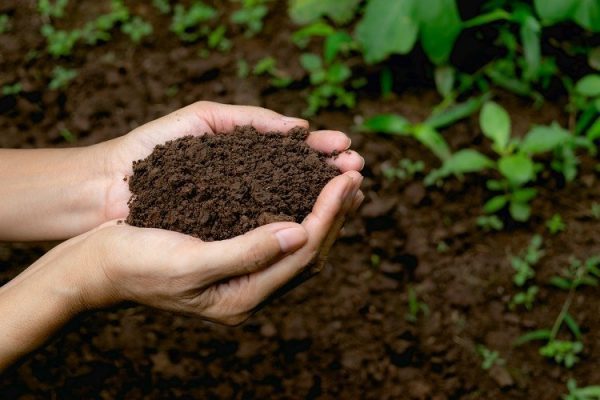
Soil-borne diseases are caused by the accumulation of harmful microorganisms in the soil, including:
- Pathogenic fungi (e.g., Fusarium, Rhizoctonia, Phytophthora)
- Bacteria (e.g., Ralstonia, Erwinia)
- Parasitic nematodes
These pathogens can persist in soil, decaying roots, unprocessed organic fertilizers, or remain active through multiple seasons of continuous cropping.
2. Why Should We Care About Soil Diseases?
🌱 Directly affects seedling and root health
📉 Causes plant death and significantly reduces yield
💸 Increases costs for fertilizers and plant protection
🔁 Difficult to control with foliar sprays since pathogens reside in the soil
3. 7 Common Causes of Soil Contamination
1. Continuous Monoculture (mono-cropping)
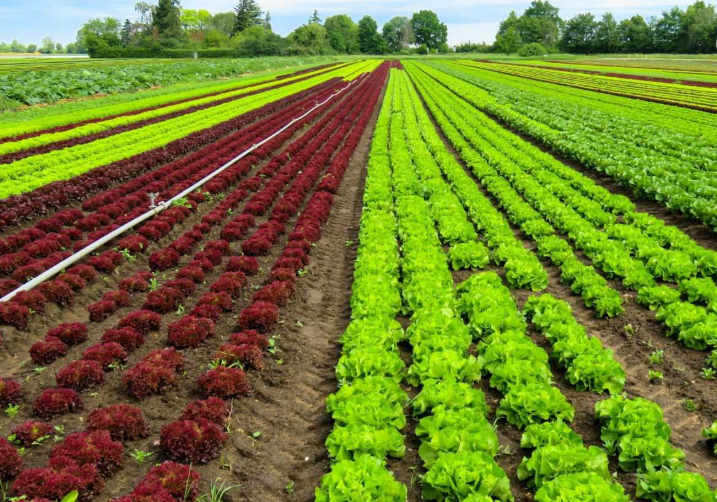
Growing the same crop like chili, melon, or tomato over several seasons leads to:
- Accumulated plant disease residue
- Rapid increase in harmful microbes
2. Use of Raw or Uncomposted Manure

Fresh cow or chicken manure often contains harmful fungi and bacteria
- Insufficiently composted manure fails to kill pathogens
3. Unprocessed Plant Residue
Infected stems, roots, and leaves left in the soil become disease sources

- Especially causes root rot, bacterial wilt, and damping-off
4. Poor Drainage and Waterlogging
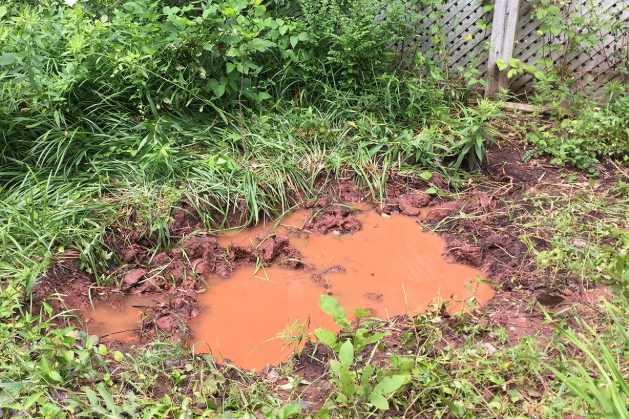
- Leads to oxygen deficiency → weak roots → higher disease risk
- Ideal condition for Phytophthora, Pythium
5. Use of Contaminated or Polluted Irrigation Water

- Dirty canals or water contaminated with pathogens or chemicals from nearby areas
6. Indiscriminate Use of Bactericides
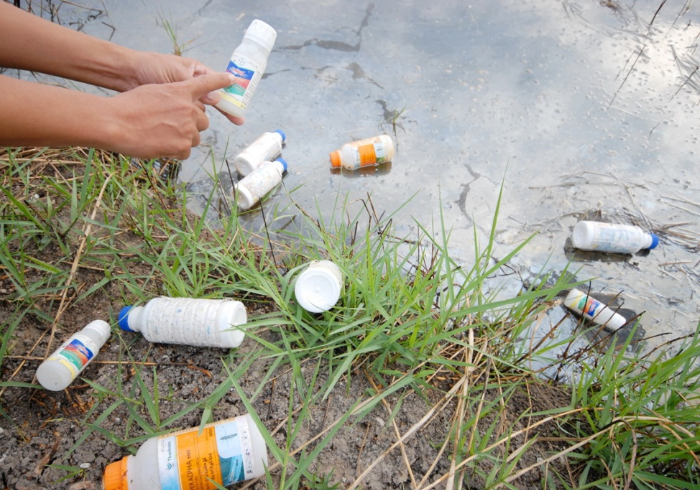
- Kills beneficial microbes → “dead” soil
- Drug-resistant pathogens thrive and become more aggressive
7. No Soil Treatment Between Crops

- No soil sun-drying, liming, or use of bio-products
- Planting without rest time allows pathogens to persist
4. Signs of Soil Infected with Pathogens
🔎 Look for these tell-tale symptoms:
|
Symptom |
Explanation |
|
Stunted growth, weak seedlings |
Poor root development due to fungal attack |
|
Yellowing, wilting in sunlight |
Damaged roots unable to absorb water |
|
Root rot, foul odor |
Caused by Fusarium, Pythium |
|
Recurring infections |
Persistent pathogens in soil |
5. Effective Methods to Prevent and Treat Infected Soil
✅ 1. Practice Proper Crop Rotation
- After chili, switch to cabbage or legumes
- Avoid repeated planting of crops in the Solanaceae family (tomato, eggplant, pepper)
✅ 2. Apply Fully Composted Manure (with Trichoderma or EM)
- Eliminates pathogens, boosts beneficial microbe populations
✅ 3. Sun-dry Soil for 10–15 Days Between Crops
- Breaks the disease cycle of many soil fungi
✅ 4. Use Biological Products Against Soil Pathogens
- e.g., Trichoderma, Bacillus subtilis, Pseudomonas
✅ 5. Apply Lime – Calcium – Silica Properly
- Increases pH, reduces acidity, supports root development
✅ 6. Limit Chemical Bactericide Use
- Prioritize biological and sustainable soil management methods
6. Conclusion
"Healthy Soil – Healthy Plants – Healthy Farmers" – This is the golden rule of sustainable agriculture.
If left untreated, infected soil can silently destroy yield, increase production costs, and degrade long-term farm productivity.
👉 Regularly monitor your soil condition and apply a combination of cultural practices, biological solutions, and proper techniques to keep your soil disease-free and full of life.


Leave a comment