


In modern agriculture, fungicide resistance is becoming increasingly common—especially among pathogens resistant to traditional Triazole fungicides like Propiconazole and Tebuconazole. This results in higher costs for farmers with limited disease control. So, can Difenoconazole, a “next-generation” Triazole, serve as an effective replacement and solve this resistance problem? Let’s break it down.
1. Fungicide Resistance in Plant Pathogens
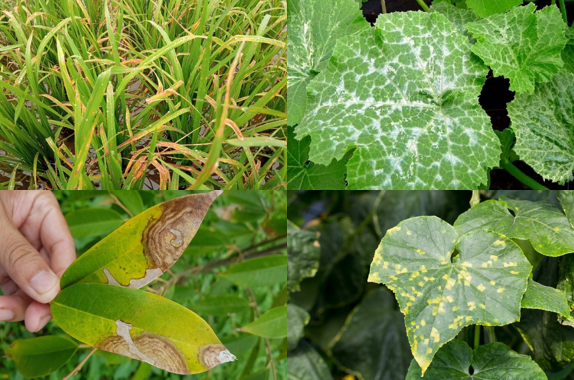
Resistance occurs when fungal pathogens are repeatedly exposed to the same active ingredient, allowing them to adapt and survive treatment. Common diseases showing resistance or reduced sensitivity to older Triazoles include:
- Rice blast (Pyricularia oryzae)
- Powdery mildew (Erysiphe spp.)
- Anthracnose (Colletotrichum spp.)
- Downy mildew, brown spot, rusts, etc.
Many of these pathogens now show resistance to Hexaconazole, Tebuconazole, and similar older Triazoles.
2. What Makes Difenoconazole Different – A Next-Gen Triazole
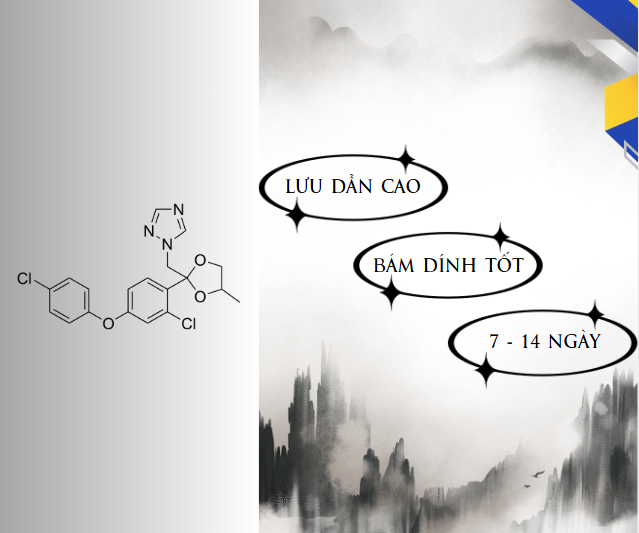
✅ Enhanced Mode of Action
Difenoconazole inhibits ergosterol biosynthesis, a key component of fungal cell membranes. Compared to first-generation Triazoles, it offers:
- Superior systemic movement into plant tissues
- Strong adhesion and rainfastness
- Extended residual activity of 7–14 days (depending on crop and weather)
✅ Broad-Spectrum Activity
Difenoconazole is effective against a wide range of diseases, including:
- Pathogens resistant to Mancozeb and Carbendazim
- Hard-to-control diseases such as:
- Anthracnose in mango and durian
- Downy mildew in cucumbers
- Rice blast
3. Is Difenoconazole Effective Against Resistant Fungi?
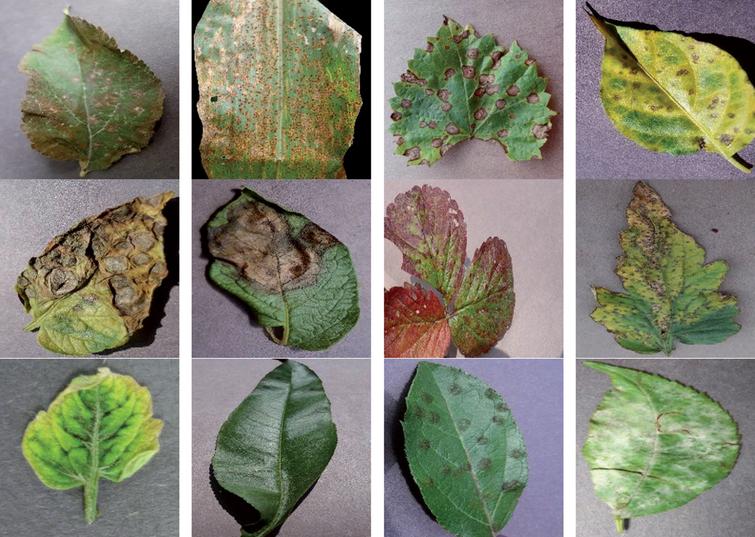
Yes – if used correctly.
✔ It is effective against Triazole-resistant strains, such as those previously exposed to Tebuconazole or Propiconazole, due to:
- Stronger molecular binding to target enzymes
- Better tissue penetration, killing fungi deep within leaves and stems
✔ To maximize efficacy:
- Apply early, at the first sign of disease
- Alternate with other modes of action, such as:
- Strobilurin (e.g., Azoxystrobin)
- QoI fungicides (e.g., Fluopyram)
- Biological agents (e.g., Bacillus subtilis)
- Avoid overuse to prevent resistance buildup
🎯 Best strategy: Combine Difenoconazole with Azoxystrobin for dual action – improving efficacy and reducing resistance risk.
4. Common Products Containing Difenoconazole
|
Trade Name |
Difenoconazole (%) |
Combined Actives |
Recommended Crops |
|
Score 250EC |
25% |
Difenoconazole only |
Rice, vegetables, fruit trees |
|
Amistar Top |
12.5% |
+ Azoxystrobin 20% |
Grapes, dragon fruit, melons, tomatoes |
|
Flash 325SC |
12.5% |
+ Propineb 37.5% |
Rice, mango, durian |
5. Usage Guidelines to Avoid Resistance
- Do not spray more than twice consecutively with the same active ingredient in one crop cycle.
- Rotate with other fungicide groups, such as Carbamates, Strobilurins, or biological fungicides.
- Apply at the correct dose and time – prevent disease spread before it becomes severe.
- Respect the pre-harvest interval (PHI) of 7–14 days, depending on crop type.
6. Conclusion
Difenoconazole is an ideal replacement for older Triazoles in the fight against resistant fungal pathogens. With its broad-spectrum activity, high efficacy, and improved formulation, it plays a key role in both effective disease control and long-term resistance management strategies.


Leave a comment