


Difenoconazole is one of the most popular and effective broad-spectrum fungicides in the Triazole (DMI) group. However, many farmers still wonder: Does Difenoconazole “burn” plants? Does it cause leaf yellowing or fruit drop? Is it safe for leafy vegetables and fruit trees? This article aims to clarify these concerns and guide you on its proper use.
1. Is Difenoconazole Safe for Crops?
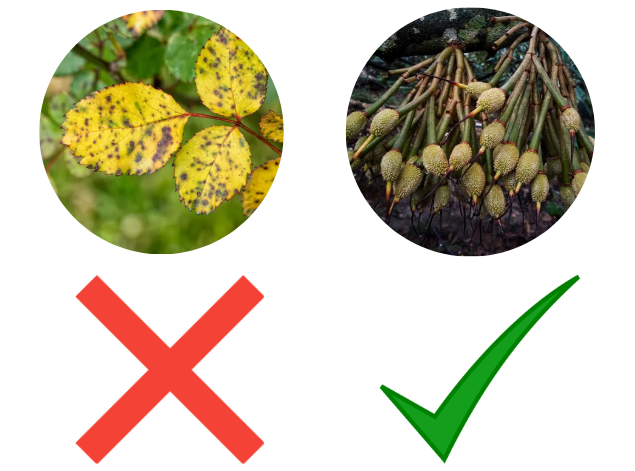
Answer: Yes – if used correctly.
✅ Safety Features of Difenoconazole:
- Mild systemic action with high efficacy: It penetrates plant tissues without disrupting cell structure.
- Does not cause leaf burn or yellowing when sprayed at the proper dose.
- Minimal impact on flowers and young fruit, especially when applied during early flush or post-fruit set.
⚠ When Might It Harm Plants?
- Overdosing by more than 50% above recommended levels.
- Spraying on stressed plants (e.g., water deficit, extreme heat, during peak flowering).
- Mixing with phytotoxic compounds like Copper oxychloride or Sulfur without compatibility checks.
2. Can Difenoconazole Be Used on Vegetables?
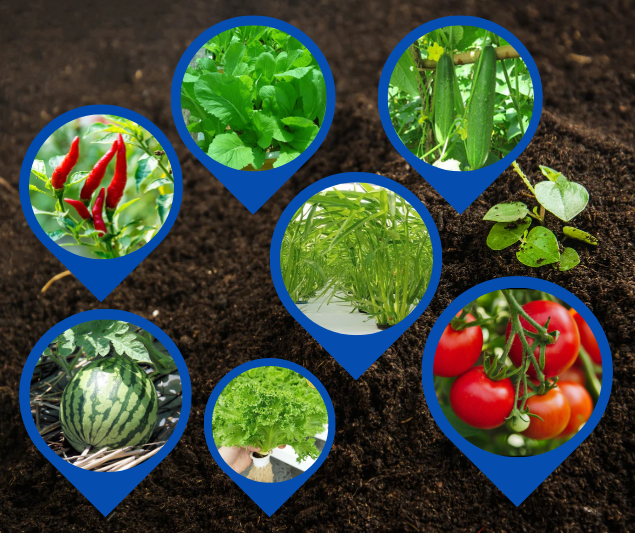
Yes – but pre-harvest intervals (PHI) must be respected.
|
Vegetables |
Common Diseases |
Difenoconazole Effectiveness |
|
Tomato, chili |
Downy mildew, leaf spots, anthracnose |
High efficacy, minimal risk of leaf damage |
|
Cucumber, watermelon |
Powdery mildew, blister spots |
Well controlled; best when combined with contact fungicides |
|
Mustard, lettuce, water spinach |
Soft rot, leaf spots |
Can be used, but strict PHI adherence is needed |
⏱ Pre-Harvest Intervals (PHI):
- Tomato, chili, melon: 7–10 days
- Leafy vegetables: 10–14 days
→ To ensure residue levels remain below legal limits.
3. Can Difenoconazole Be Used on Fruit Trees?
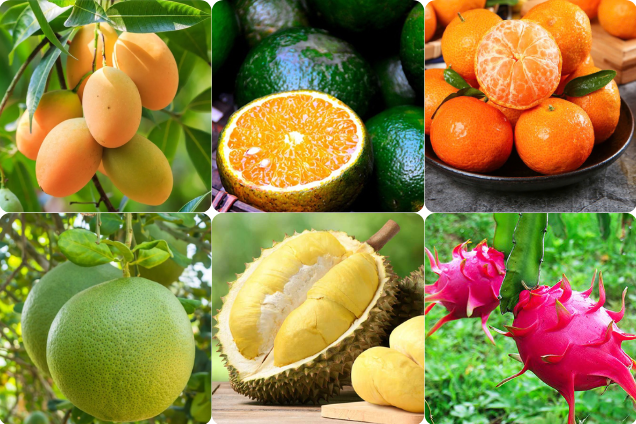
Absolutely – it’s widely recommended for many fruit crops:
|
Fruit Tree |
Common Diseases |
Difenoconazole Effectiveness |
|
Mango |
Anthracnose, fruit canker |
Excellent when applied during flush and post fruit-set |
|
Citrus (orange, grapefruit) |
Leaf yellowing, rust, algal spot |
Strong efficacy, good leaf adhesion, rainfast |
|
Durian |
Brown spot, fungal fruit rot |
Combine with Azoxystrobin for synergistic effect |
|
Dragon fruit |
Brown spot, stem anthracnose |
Effective with 7–10 day spray intervals |
💡 Note: Avoid spraying during peak bloom – instead, spray 7–10 days before or after flowering to avoid affecting pollination.
4. Recommendations for Safe Use of Difenoconazole
- Always read product labels to check the Difenoconazole concentration (usually 250g/l or in combination).
- Spray in the early morning or late afternoon – avoid hot or rainy conditions.
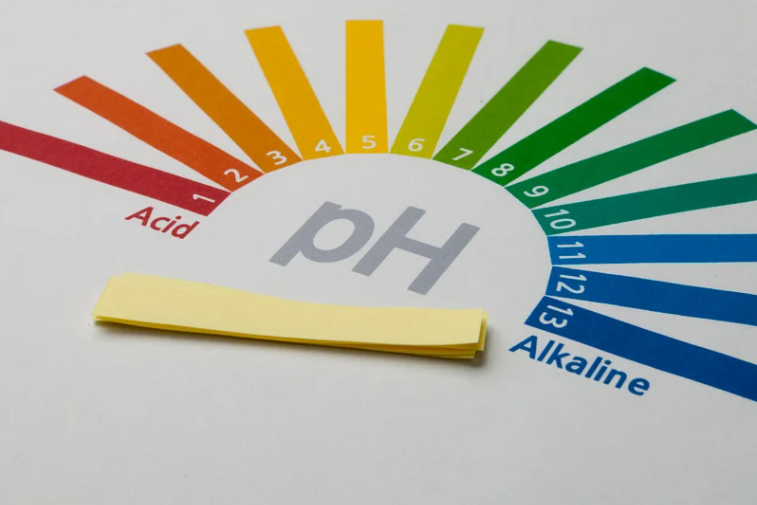
- Do not mix with foliar fertilizers with low pH or highly alkaline pesticides.
- Rotate with other fungicides (e.g., Azoxystrobin, Mancozeb, or biologicals) to prevent resistance.
5. Conclusion
Difenoconazole is safe for crops and suitable for use on both vegetables and fruit trees—as long as it is applied correctly and with respect to pre-harvest intervals. It is a reliable choice for modern fungal disease control strategies, offering both efficacy and safety when used responsibly.


Leave a comment