

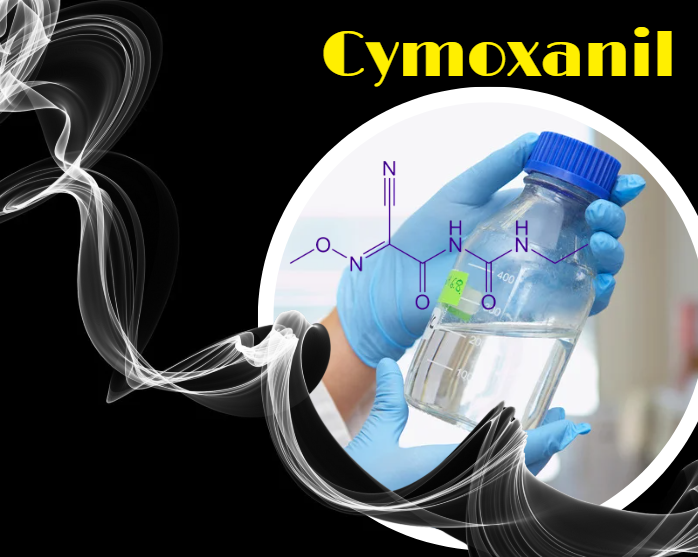
Cymoxanil is an important active ingredient in the field of crop protection, particularly effective in preventing and treating fungal diseases. With its unique mode of action, Cymoxanil is widely used in various fungicides for crops. Let’s explore the details of Cymoxanil in the following article.
1. What is Cymoxanil?

Cymoxanil is a chemical compound belonging to the acetoacetamide group, used as a fungicide in agriculture. This systemic active ingredient is highly effective against pathogenic fungi, especially oomycetes such as Phytophthora spp. and Plasmopara spp.
- Chemical name: 2-cyano-N-[(ethylamino)carbonyl]-2-(methoxyimino)acetamide
- Molecular formula: C₇H₁₀N₄O₃
- Molecular weight: 198.18 g/mol
- Chemical group: Acetamide
- Properties: Highly soluble in organic solvents, slightly soluble in water, unstable in alkaline environments.
2. Mode of Action of Cymoxanil
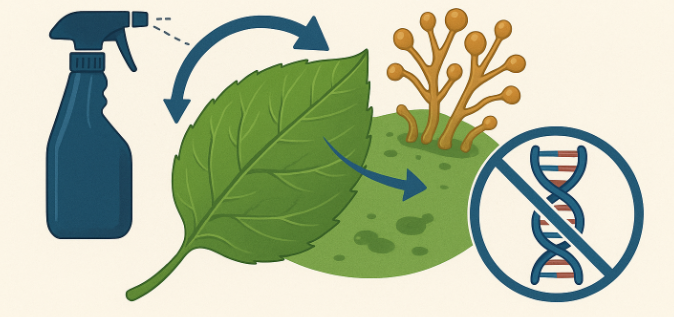
Cymoxanil has strong systemic activity, rapidly penetrating leaf tissues and stopping the development of fungi from within. It inhibits fungal cell DNA synthesis, thereby halting the growth and spread of pathogens.
Additionally, Cymoxanil can cure infections at early stages, helping plants recover quickly if treated in time.
3. Effects and Uses of Cymoxanil
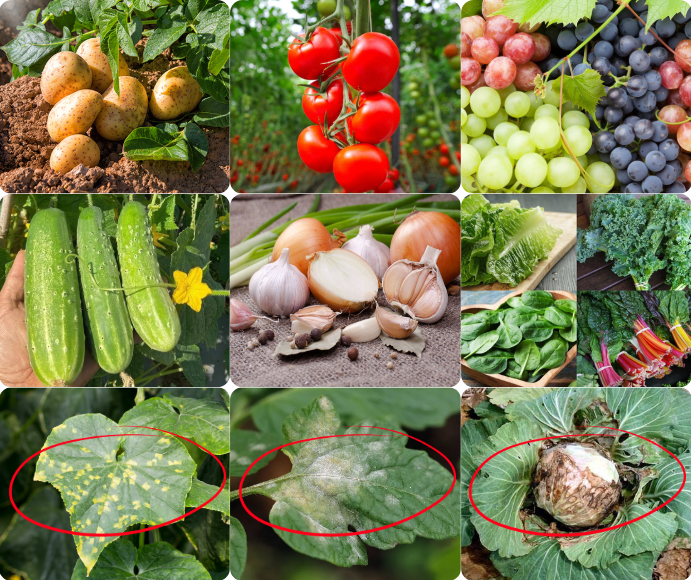
Diseases commonly treated with Cymoxanil:
- Downy mildew: On cucumbers, grapes, onions, potatoes, tomatoes, etc.
- Late blight: On potatoes and tomatoes.
- Soft rot (caused by Pythium spp.): In vegetables and ornamental plants.
Common crops using Cymoxanil:
- Potatoes
- Tomatoes
- Grapes
- Cucumbers
- Onions, garlic
- Leafy vegetables
4. Some Fungicides Containing Cymoxanil
Cymoxanil is often combined with other active ingredients to broaden its spectrum and prolong its effectiveness, for example:
|
Trade Name |
Active Ingredients |
Main Use |
|
Curzate M8 |
Cymoxanil + Mancozeb |
Controls late blight and downy mildew |
|
Melody Duo |
Cymoxanil + Iprovalicarb |
Treats oomycete-related diseases |
|
Profilux |
Cymoxanil + Propineb |
Downy mildew, late blight, soft rot |
|
Pegasus |
Cymoxanil + Metalaxyl |
Prevents and treats fungal diseases |
5. How to Use Cymoxanil Effectively
- Dosage: Varies depending on the formulation and crop. Refer to product label instructions.
- Application timing: Spray at the first sign of disease or as a preventative measure during humid or rainy weather.
- Mixing: Use clean water and mix according to the recommended dosage.
- Frequency: Do not spray more than 3–4 times per crop cycle; rotate with other active ingredients to avoid resistance.
6. Advantages of Cymoxanil
- Rapid systemic action, effectively stopping diseases within hours after application.
- Curative effect when used at early infection stages.
- Low wash-off rate from light rain, suitable for outdoor farming.
- When combined with contact fungicides, it enhances and prolongs effectiveness.
7. Precautions When Using Cymoxanil
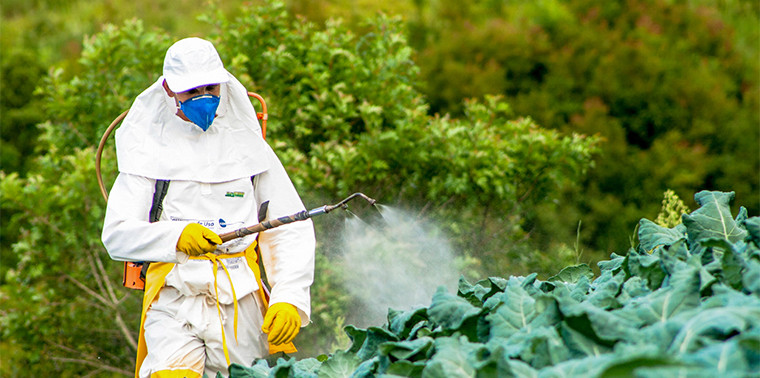
- Wear protective gear when mixing and spraying.
- Do not use near drinking water sources.
- Store in a dry place, away from direct sunlight.
- Avoid spraying during full bloom.
- Avoid repeated use; alternate with other fungicides to prevent resistance.
8. Is Cymoxanil Safe?
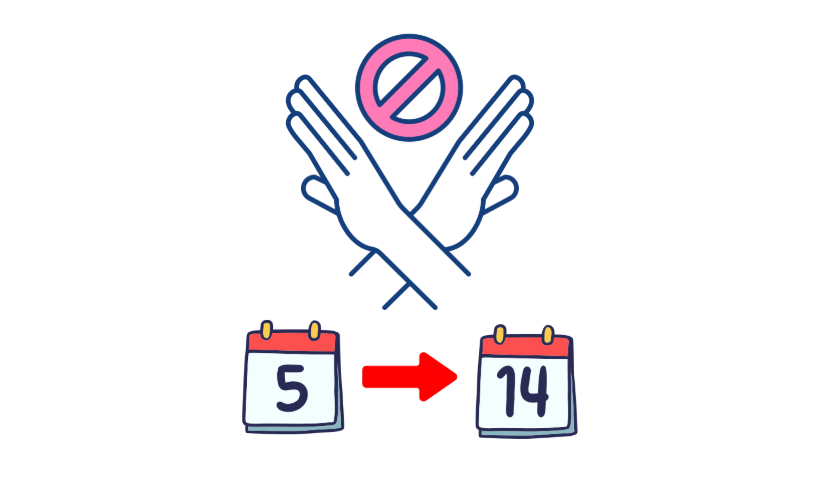
Cymoxanil belongs to a group of moderately toxic substances and does not accumulate long-term in soil or plants. However, proper safety measures must still be followed to protect human health and the environment.
- Pre-harvest interval (PHI): Typically 5–14 days depending on crop and product.
- Oral LD50 (rats): Approximately 960 mg/kg.
9. Conclusion
Cymoxanil is a key active ingredient in controlling serious fungal diseases, especially downy mildew and late blight. Correct usage and proper rotation with other actives will enhance effectiveness and minimize resistance risks.
If you're looking for an effective solution to protect your crops from fungal diseases, consider products containing Cymoxanil—a safe and reliable choice for modern farmers.


Leave a comment