


When long periods of rain arrive, farmers face a major challenge: fungal diseases spread extremely fast, causing serious damage to crops. Diseases such as leaf rust, anthracnose, downy mildew, leaf spot, quick wilt, and root rot all share one thing in common — they thrive in humid, wet environments.
So how do we detect them early and protect crops effectively? Let’s break it down together.
⚠️ Why the Rainy Season Is the “Golden Time” for Fungal Diseases
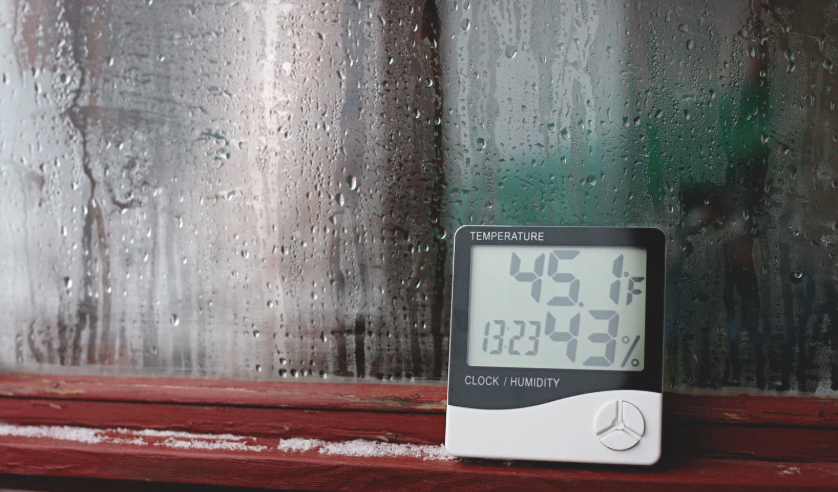
- High humidity – continuous rain keeps leaves wet → perfect condition for fungi
- Dense canopies – poor airflow → trapped moisture
- Waterlogged soil – roots suffocate, pathogens attack roots
- Farmers delay prevention – waiting until symptoms show makes treatment harder
🔍 Early Symptoms of Common Rainy-Season Fungal Diseases
|
Disease |
Common crops |
Early symptoms |
|
Leaf Rust |
Coffee |
Yellow specks on leaves → orange-brown rust pustules |
|
Anthracnose |
Mango, coffee, pepper, chili |
Round, sunken dark lesions; spreads rapidly in rain |
|
Downy Mildew |
Rice, vegetables, fruits |
Pale yellow patches, underside has fine white mold |
|
Quick wilt / Root rot |
Pepper, coffee, fruit trees |
Leaves wilt suddenly, stem base water-soaked, foul smell |
|
Leaf Spot |
Tomato, beans, rice, pepper |
Circular brown-yellow spots with dark edges; premature leaf drop |
👉 Tip: Identifying disease at the “tiny spot stage” makes control much easier.
✅ How to Control Fungal Diseases Effectively in Rainy Season
1. Prevent early — don’t wait for visible symptoms
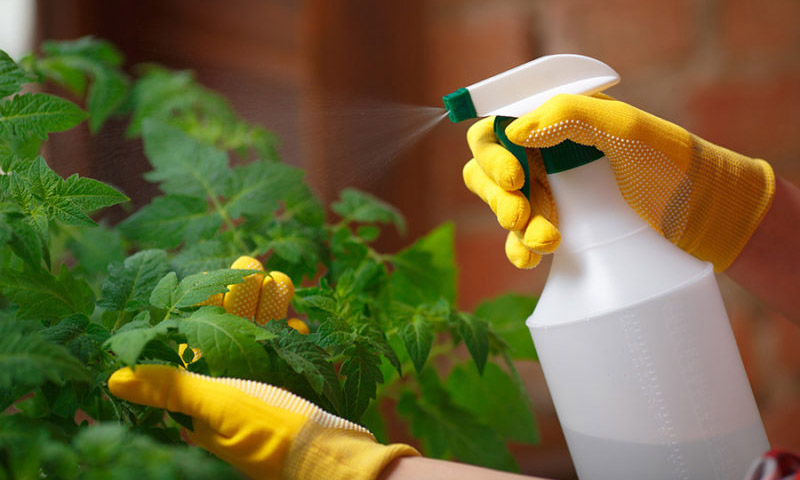
Use broad-spectrum, rain-resistant fungicides such as:
- Fosetyl-Al
- Propiconazole CS
- Mancozeb
- Copper Oxychloride
⏱️ Spray every 7–10 days, depending on rainfall and disease pressure from previous years.
2. Improve canopy ventilation
.jpg)
- Prune dense canopy to allow sunlight and airflow
- Apply balanced fertilizers (avoid excessive nitrogen)
- Strengthen plant health → reduce disease susceptibility
3. Spray correctly and at the right time

- Prioritize Capsule Suspension (CS) or systemic fungicides — rainfast, long-lasting
- Spray morning sunlight or 2–3 hours after rain
- Add spreader–sticker oils (SK Enspray 99EC, Actiwet) to reduce wash-off
4. Manage soil & roots during rainy season
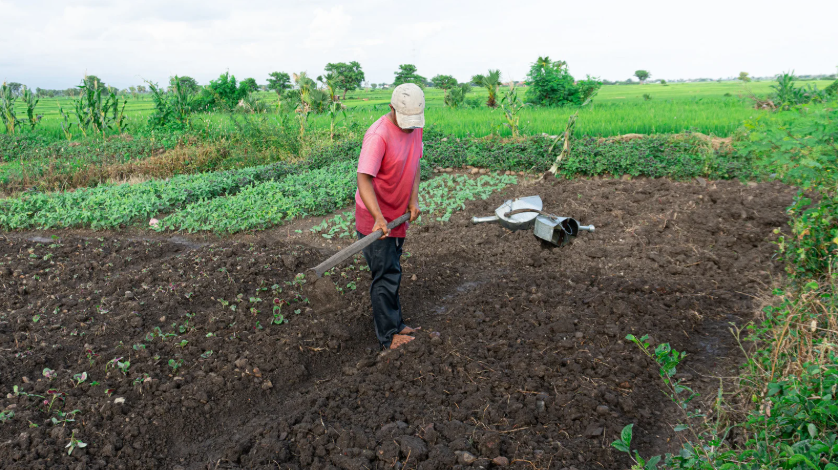
- Treat soil with Trichoderma, lime, or Metalaxyl-based products
- Loosen soil & create drainage channels to avoid root rot
📌 Recommended Rainy-Season Fungicide Options
|
Product |
Formulation |
Key benefits |
|
Propiconazole CS |
Capsule Suspension |
Strong adhesion, long effect; controls rust & anthracnose |
|
Fosetyl-Al |
Systemic |
Excellent for root fungus & downy mildew |
|
Mancozeb 80WP |
WP |
Broad-spectrum, economical |
|
Copper Oxychloride |
WP |
Effective on fungi + bacteria; good for fruit & vegetables |
|
Trichoderma |
Biological |
Improves soil & suppresses pathogens |
🟢 Conclusion
“Early detection and timely prevention are the cheapest and most effective protection for crops in rainy season.”
Farmers should:
✅ Inspect fields weekly
✅ Apply rainfast fungicides regularly
✅ Manage soil drainage & canopy airflow
✅ Combine biological + chemical methods for sustainable control


Leave a comment