Spectrum of Activity of Spirotetramat – Which Pests Does It Control Most Effectively?
April 9, 2026
1. Overview of the Spectrum of Activity of Spirotetramat
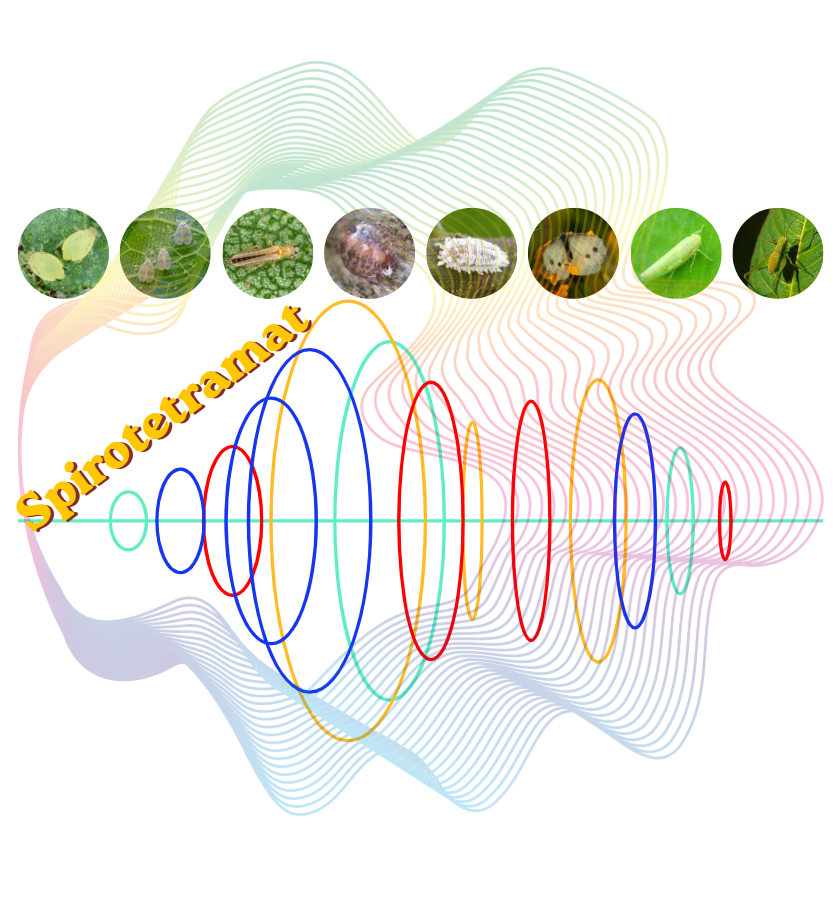
Spirotetramat is a systemic insecticide belonging to IRAC Group 23 (ketoenol), distinguished by its strong control of piercing-sucking insects – a common and difficult-to-manage pest group across many crops.
👉 Key differences:
Spirotetramat is a systemic insecticide belonging to IRAC Group 23 (ketoenol), distinguished by its strong control of piercing-sucking insects – a common and difficult-to-manage pest group across many crops.
👉 Key differences:
- Not only eliminates adult insects
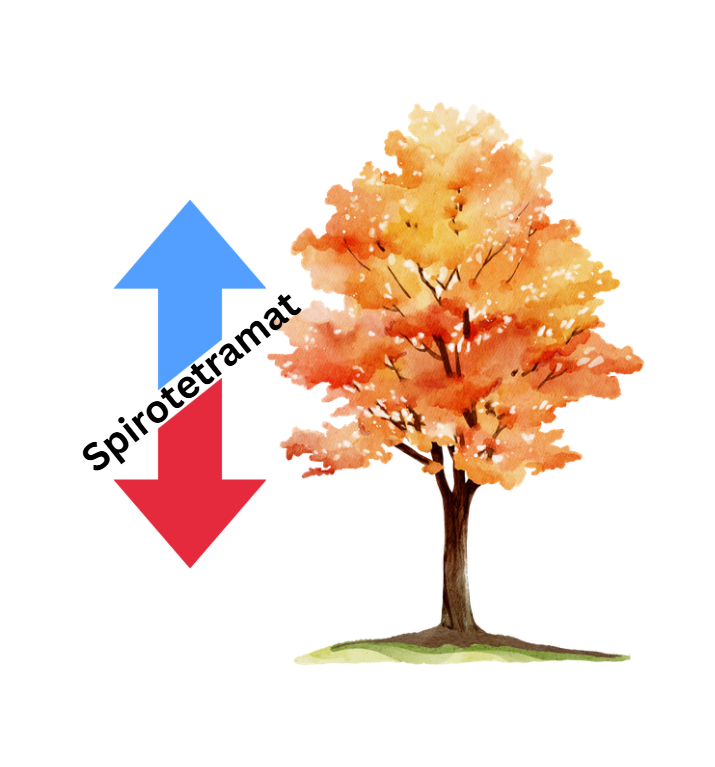
- Also inhibits development and reproduction, enabling long-term pest control
2. Which Pests Are Effectively Controlled by Spirotetramat?
2.1. Aphids
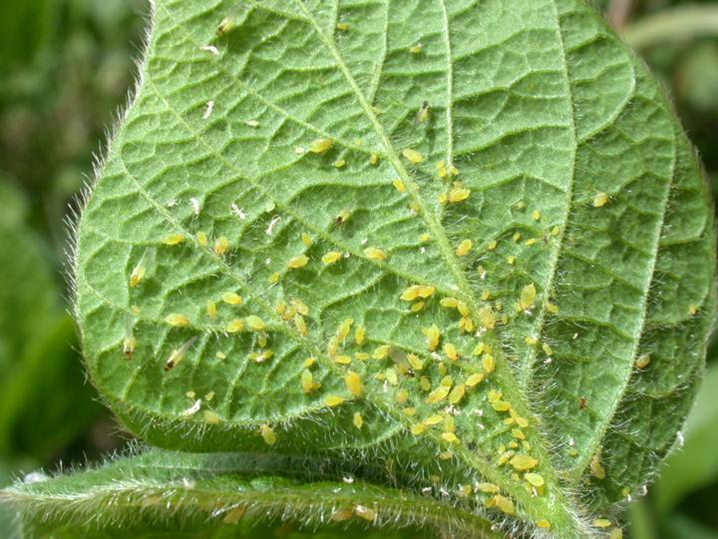
- Damage: sap sucking, leaf curling, virus transmission
- Efficacy: ⭐⭐⭐⭐⭐
👉 Spirotetramat is particularly effective against aphids due to its systemic action → controls even those hidden under leaves
- Damage: sap sucking, leaf curling, virus transmission
- Efficacy: ⭐⭐⭐⭐⭐
👉 Spirotetramat is particularly effective against aphids due to its systemic action → controls even those hidden under leaves
2.2. Whiteflies
- Damage: sap sucking, leaf yellowing, disease transmission
- Efficacy: ⭐⭐⭐⭐⭐
👉 Effective against both larvae and adults, including those on the underside of leaves
- Damage: sap sucking, leaf yellowing, disease transmission
- Efficacy: ⭐⭐⭐⭐⭐
👉 Effective against both larvae and adults, including those on the underside of leaves
2.3. Thrips
- Damage: leaf silvering, fruit deformation
- Efficacy: ⭐⭐⭐⭐⭐
👉 High efficacy when applied early (immature stages)
- Damage: leaf silvering, fruit deformation
- Efficacy: ⭐⭐⭐⭐⭐
👉 High efficacy when applied early (immature stages)
2.4. Scale insects, mealybugs
- Damage: firmly attached to stems/branches, difficult to control with contact insecticides
- Efficacy: ⭐⭐⭐⭐⭐
👉 Bidirectional systemic activity allows the compound to reach hidden pest locations
- Damage: firmly attached to stems/branches, difficult to control with contact insecticides
- Efficacy: ⭐⭐⭐⭐⭐
👉 Bidirectional systemic activity allows the compound to reach hidden pest locations
2.5. Other piercing-sucking insects
- Leafhoppers, planthoppers
- Psyllids
👉 Efficacy: ⭐⭐⭐⭐⭐
- Leafhoppers, planthoppers
- Psyllids
👉 Efficacy: ⭐⭐⭐⭐⭐
3. Pests for Which Spirotetramat Is NOT Highly Effective
Spirotetramat is not an optimal choice for:
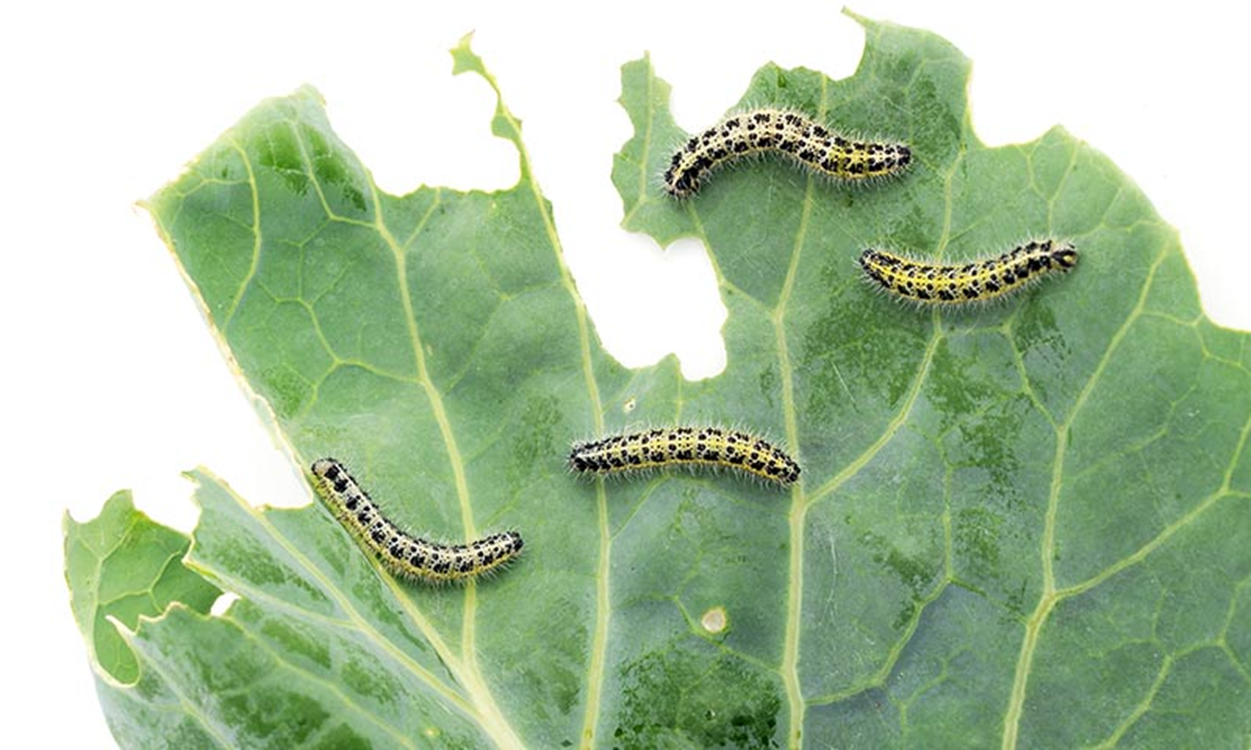
- Leaf-chewing caterpillars (diamondback moth, armyworms, cutworms)
- Stem borers
- Beetles
👉 Reason:
- This active ingredient targets piercing-sucking pests, not chewing insects
- Leaf-chewing caterpillars (diamondback moth, armyworms, cutworms)
- Stem borers
- Beetles
👉 Reason:
- This active ingredient targets piercing-sucking pests, not chewing insects
4. Application on Crops
Fruit crops
- Citrus (orange, mandarin, pomelo) → mealybugs, psyllids
- Mango → thrips, hoppers
- Citrus (orange, mandarin, pomelo) → mealybugs, psyllids
- Mango → thrips, hoppers
Vegetables
- Cucurbits, tomato, chili → whiteflies, aphids, thrips
- Cucurbits, tomato, chili → whiteflies, aphids, thrips
Industrial crops
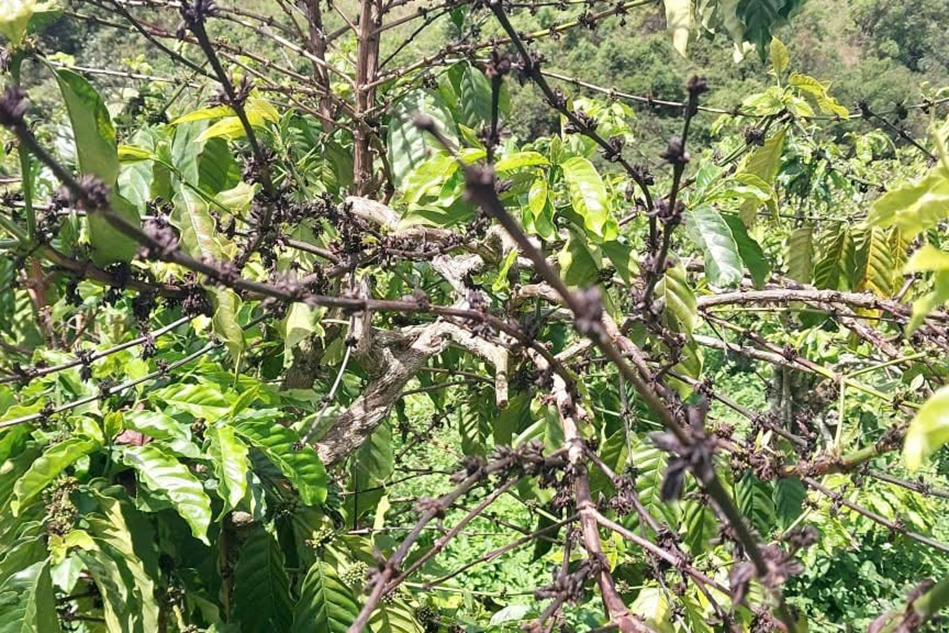
- Coffee, pepper → mealybugs, hoppers
- Coffee, pepper → mealybugs, hoppers
👉 Most suitable for crops with:
- Dense canopies
- Pests hidden in multiple locations
- Dense canopies
- Pests hidden in multiple locations
5. Why Is Spirotetramat Effective Against Piercing-Sucking Pests?
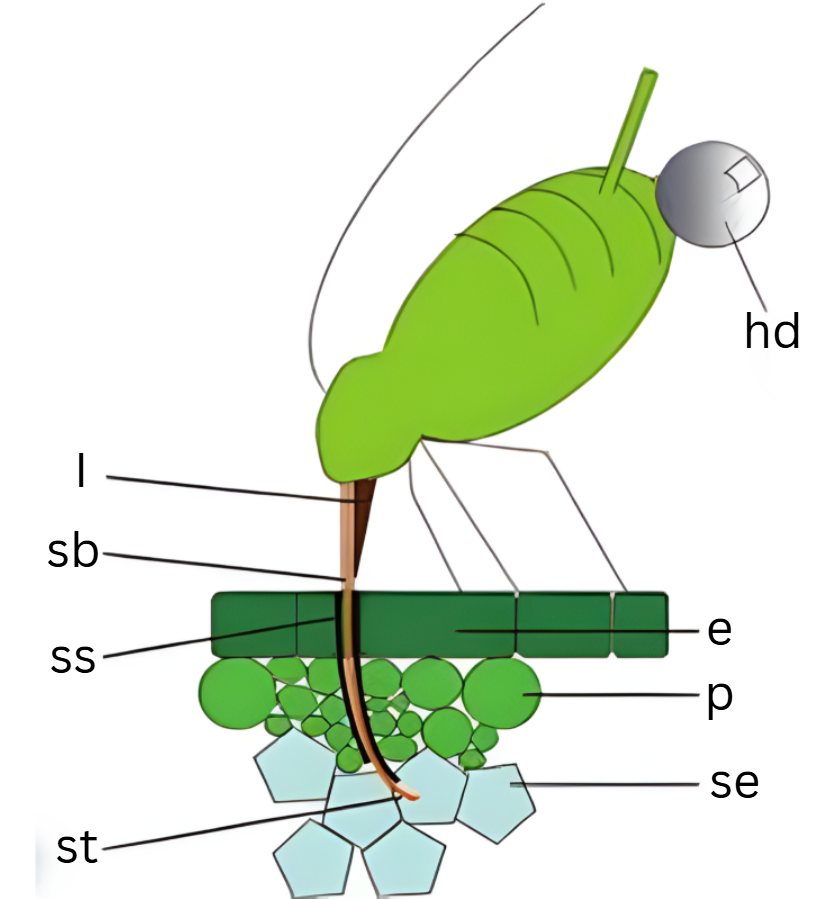
Two key factors:
(1) Bidirectional systemic activity
- Moves within the plant sap flow
- Pests ingest the compound while feeding
(2) Growth inhibition
- Causes pests to:
+ Fail to molt
+ Lose reproductive capability
👉 Not only “kills” pests but also disrupts their life cycle
(1) Bidirectional systemic activity
- Moves within the plant sap flow
- Pests ingest the compound while feeding
(2) Growth inhibition
- Causes pests to:
+ Fail to molt
+ Lose reproductive capability
👉 Not only “kills” pests but also disrupts their life cycle
6. Notes for Maximizing Efficacy
- Apply when pests first appear
- Focus on the larval stages
- Avoid waiting until severe outbreaks
- Apply when pests first appear
- Focus on the larval stages
- Avoid waiting until severe outbreaks
Combine with:
- Rotation with insecticides of different modes of action
- Implementation of IPM (Integrated Pest Management)
- Rotation with insecticides of different modes of action
- Implementation of IPM (Integrated Pest Management)
7. Conclusion
Spirotetramat is an optimal solution for:
- Controlling aphids, hoppers, thrips, and whiteflies
- Eliminating pests in hard-to-reach locations
- Providing long-term crop protection
Spirotetramat is an optimal solution for:
- Controlling aphids, hoppers, thrips, and whiteflies
- Eliminating pests in hard-to-reach locations
- Providing long-term crop protection
👉 However:
- Not suitable for leaf-chewing pests
- Requires proper timing of application to achieve maximum effectiveness
- Not suitable for leaf-chewing pests
- Requires proper timing of application to achieve maximum effectiveness
Bình luận
Những bình luận mới nhất