

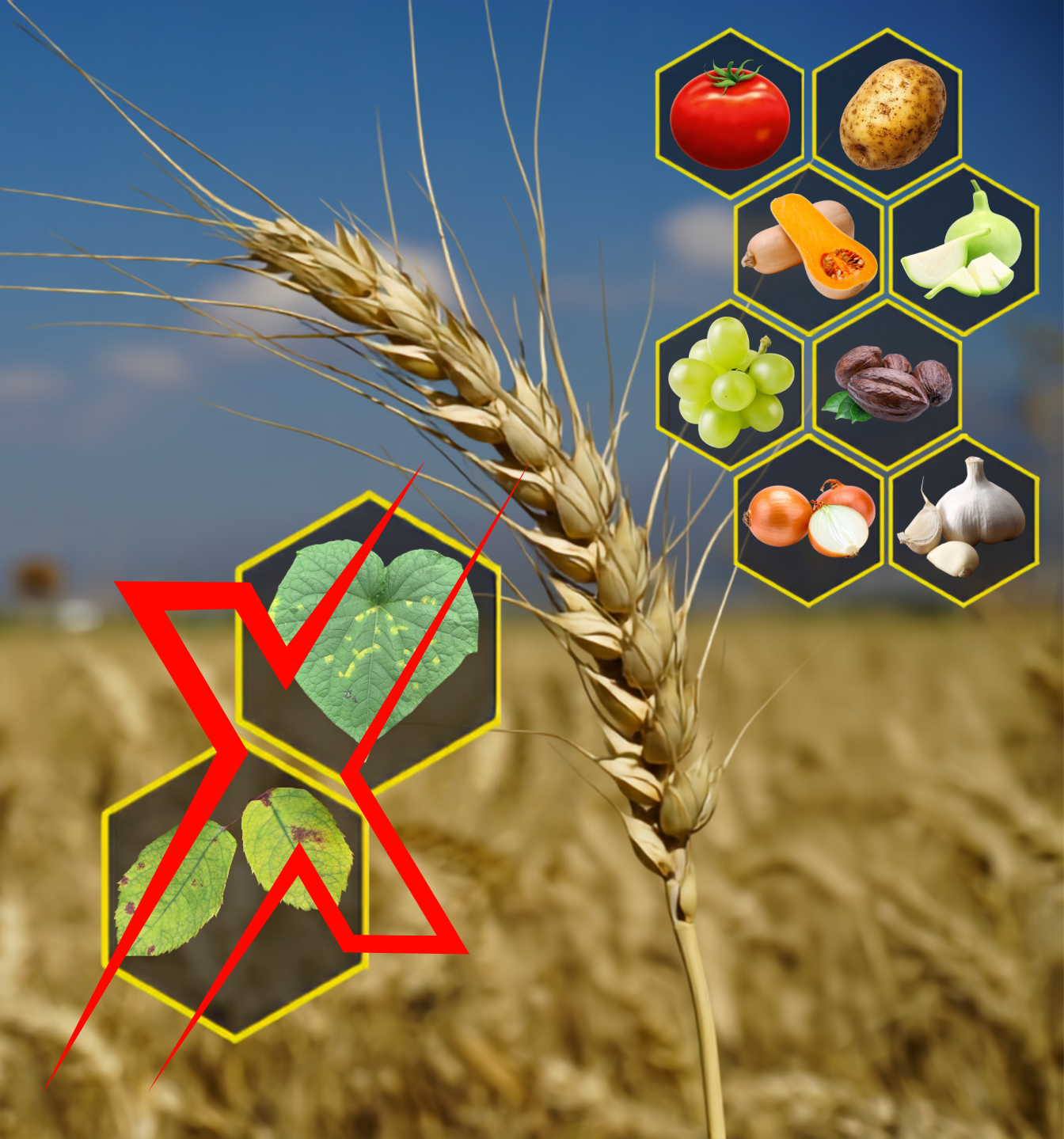
In modern agriculture, effective plant disease management is a critical factor determining crop yield and produce quality. Among today's fungicides, Cymoxanil stands out as a highly effective solution due to its strong translaminar and locally systemic activity, specifically targeting oomycete pathogens (such as Phytophthora and Pseudoperonospora).
However, to optimize efficacy, broaden the spectrum of control, and crucially prevent resistance development, combining Cymoxanil with other active ingredients has become an essential agronomic practice.
1. Why Combine Cymoxanil with Other Active Ingredients?
Using a single active ingredient over an extended period directly leads to control failure. Combining Cymoxanil with other active partners provides three core scientific benefits:
- Broadening the Spectrum of Control: Cymoxanil is highly specific to oomycetes (causing downy mildew and late blight). It has limited efficacy against true fungi (Ascomycetes, Basidiomycetes) that cause anthracnose, leaf spot, or rust. Pairing it with a broad-spectrum partner allows a single application to control multiple diseases simultaneously.
- Resistance Management: Cymoxanil belongs to FRAC Group 27. Continuous use of a single mode of action selects for resistant mutants. By combining it with multi-site or different mode-of-action partners, the risk of fungal pathogens developing resistance to both actives at once is virtually zero.
- Synergistic Effect ("Curative Inside, Protective Outside"): Cymoxanil has strong curative action, killing pathogens already inside the plant tissue, but its residual activity is relatively short (about 3–5 days). Combining it with a protective multi-site partner (such as Mancozeb) or a highly systemic partner creates a dual-action defense: it eradicates existing infections from within while establishing a protective shield on the surface.
2. Common and Highly Effective Mixtures
Based on synergistic benefits, Cymoxanil is commonly pre-formulated (Premix) or tank-mixed with the following active ingredients:
| Active Partner |
Mode of Action & Key Benefits |
Primary Target Pathogens |
|---|---|---|
|
Mancozeb (FRAC Group M03) |
A multi-site contact fungicide with excellent surface retention, creating a protective barrier against spore germination. Combining it with the translaminar action of Cymoxanil creates a classic mixture (e.g., Cymoxanil 8% + Mancozeb 64% WP) for highly reliable, long-lasting control. | Late blight in tomatoes and potatoes; downy mildew in cucumbers and cucurbits; cacao pod rot. |
|
Famoxadone (FRAC Group 11) |
A Quinone outside Inhibitor (QoI) that inhibits mitochondrial respiration. It binds strongly to the leaf cuticle wax layer, resisting rain wash-off. The mixture delivers strong synergy between a translaminar curative (Cymoxanil) and a surface protectant (Famoxadone), protecting newly emerged shoots. | Late blight, early blight, and downy mildew in solanaceous crops and vegetables during wet, rainy seasons. |
|
Copper compounds (FRAC Group M01) |
Contact copper-based fungicides (e.g., Copper Oxychloride, Copper Hydroxide) that release Cu2+ ions, disrupting fungal and bacterial cell membranes. Combining them with Cymoxanil boosts bactericidal activity and protects mechanical wounds under high disease pressure. | Bacterial soft rot combined with downy mildew in onions, garlic, grapes, and citrus. |
3. Active Ingredient Rotation Principles for Resistance Management
The Fungicide Resistance Action Committee (FRAC) strongly advises against the continuous, repeated use of a single chemical class. To maintain long-term efficacy:
1. Limit Consecutive Applications: Do not apply Cymoxanil-based products (or their mixtures) more than 2–3 times consecutively per crop cycle.
2. Rotate FRAC Group Codes: Alternate Cymoxanil (Group 27) with fungicides from entirely different target site codes, such as SDHIs (Group 7), Metalaxyl/Mefenoxam (Group 4), or biological agents (Streptomyces, Bacillus subtilis), to disrupt the adaptation cycle of fungal populations.
4. Key Considerations for Practical Application
To achieve maximum economic and technical efficiency when using mixtures containing Cymoxanil, growers must strictly adhere to the following principles:
- Read Product Labels Carefully: Check active ingredient concentrations (e.g., Cymoxanil + Mancozeb) and registered crops to ensure correct dilution rates and target application.
- Adhere to Recommended Dosages: Never overdose (which can cause phytotoxicity on young foliage) or underdose (which accelerates resistance development).
- Apply at the Right Time:
+ The optimal timing is preventive spraying before symptoms appear (based on weather forecasts of high humidity/rain) or at the very first sign of disease.
+ Spray during early morning after dew dries or in the late afternoon to prevent photodegradation of the active ingredients under intense sunlight.
- Respect the Pre-Harvest Interval (PHI): Strict adherence to the PHI (typically 7 to 14 days depending on the specific product mixture) is essential to ensure pesticide residues remain well below safe thresholds for consumer health and export standards.


Leave a comment